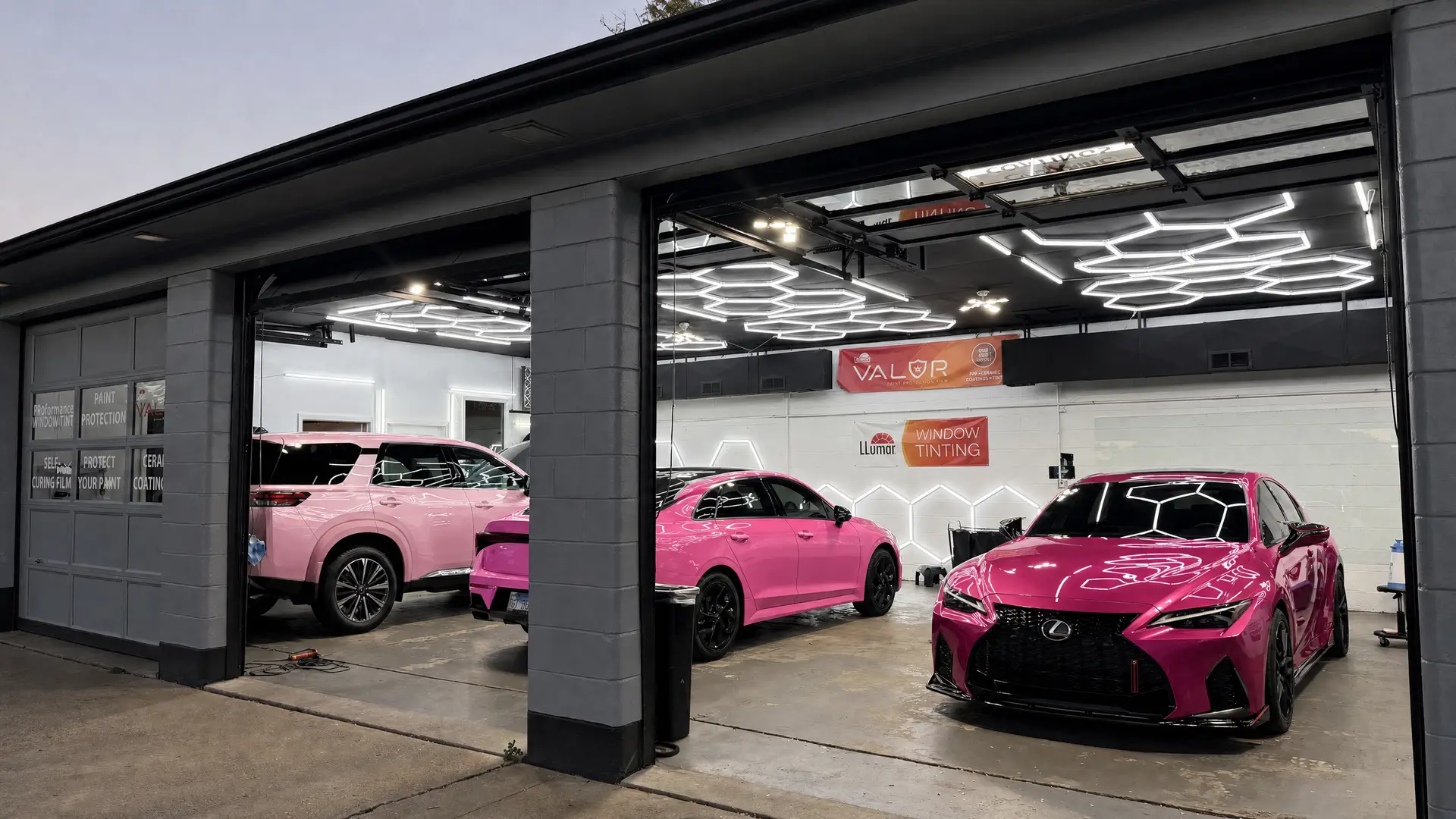
Does Window Tint Reduce Heat? Here’s How it Actually Works
Does Window Tint Reduce Heat? The Truth About Ceramic Window Tint | PROformance When people think about window tint, they
When people think about window tint, they often think about privacy or appearance. But one of the biggest reasons drivers choose window tint today is for heat reduction.
The short answer is yes—high-quality window tint can help reduce the amount of heat entering your vehicle. However, not all window films perform the same. Understanding how window tint works can help you choose the best option for your vehicle and driving habits.
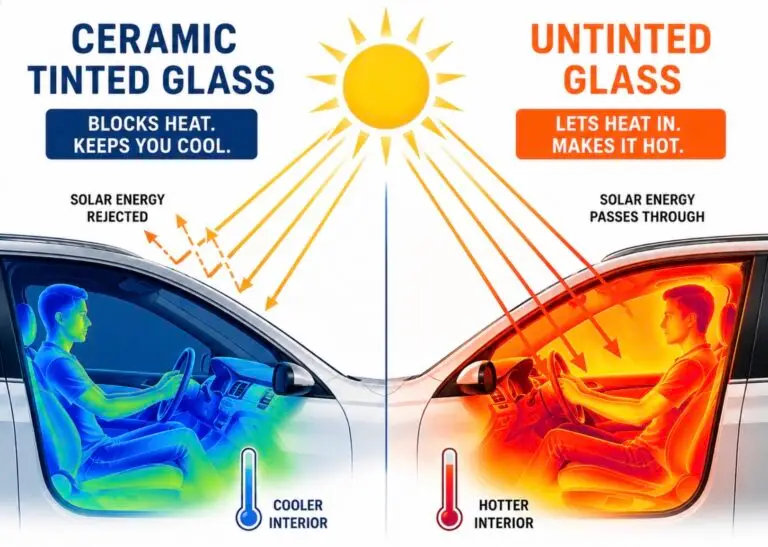
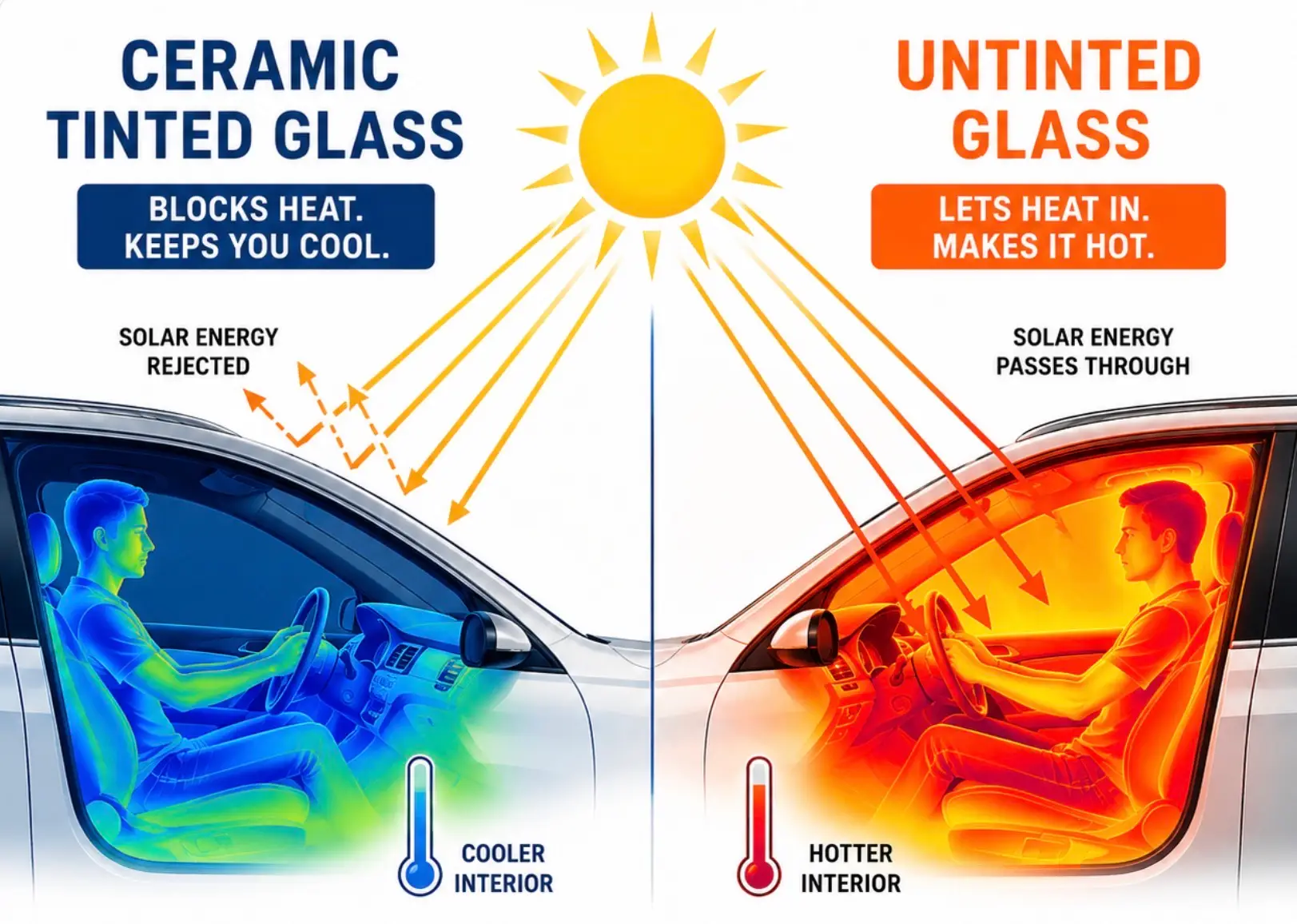
On a sunny day, sunlight enters your vehicle through the glass. While visible light passes through, it also brings infrared (IR) energy, which is responsible for much of the heat you feel inside your car.
As this energy becomes trapped inside the cabin, your vehicle can heat up quickly—especially during Illinois summers.
In addition to heat, sunlight also contains ultraviolet (UV) rays, which can contribute to fading upholstery, drying out leather, and aging interior materials over time.
One of the biggest misconceptions is that darker tint automatically means better heat rejection.
In reality, the technology inside the film matters far more than the darkness of the tint.
For example, two vehicles may have the same tint percentage, but if one uses a premium ceramic film and the other uses a basic dyed film, their heat rejection performance can be very different.
That’s why professional installers focus on selecting the right film—not just the darkest shade.
Ceramic window tint is engineered with advanced technology that helps reduce heat while maintaining excellent visibility and optical clarity.
Benefits of ceramic window tint include:
Because ceramic films rely on advanced materials rather than simply adding darkness, they can provide impressive heat reduction while allowing you to choose the appearance that best fits your vehicle.
Many people don’t realize that a large amount of heat enters through the windshield.
For drivers looking to improve comfort without significantly changing the appearance of their windshield, LLumar AIR 80 is a high-visibility film designed to help reduce heat and provide UV protection while maintaining a bright, natural look. Availability and installation should always comply with applicable laws and regulations in your area.
Heat isn’t the only concern.
Over time, prolonged sun exposure can affect:
Quality window film helps reduce UV exposure, which can help preserve your vehicle’s interior and keep it looking newer over time.
For many drivers, window tint is about much more than appearance.
Whether you commute every day, spend time on the highway, or simply want a more comfortable ride, premium window film can help improve the driving experience while protecting your vehicle from everyday sun exposure.
The right window film depends on your vehicle, your goals, and your preferences—which is why choosing an experienced installer is just as important as choosing the film itself.
At PROformance Window Tint & PPF, we help drivers throughout Geneva, Batavia, St. Charles, Elburn, Aurora, and the Fox Valley choose the right window film for their needs. Whether you’re looking for better comfort, UV protection, or a cleaner look, our team can recommend the right solution for your vehicle.
If you’re considering ceramic window tint and want to learn more about your options, we’re here to help you make an informed decision.
Want to stay up to date with what’s going on at the shop? Check out our most recent blogs!

Does Window Tint Reduce Heat? The Truth About Ceramic Window Tint | PROformance When people think about window tint, they

PPF vs. Ceramic coating: WHAT’S the difference and Do you Need Both? If you’ve been researching ways to protect your

A Smarter Approach to Window Tint, Paint Protection Film, and Ceramic Coatings When most people begin researching window tint or
Ceramic window tint provides some of the highest levels of infrared heat rejection while maintaining visibility
No. Heat rejection depends on the technology of the film, not just how dark the tint appears.
Yes, quality window tint reduces heat by blocking infrared energy from entering the vehicle.
The exact temperature difference depends on the vehicle, glass, sunlight exposure, and film type, but ceramic films significantly reduce heat entering the cabin.